Your Ringside Guide...
A horse show lasts just a weekend — but those moments in the ring feel like they’re gone in a heartbeat. The adrenaline. The rhythm of hooves. That perfect jump you wish someone had caught just right.
Whether you’re a parent, a proud barn friend, or an aspiring show photographer, getting great shots at a horse show can be tricky. Between fast movement, unpredictable lighting, and the chaos of the showgrounds, even expensive cameras can struggle to keep up. But with a few insider tips and the right settings, you can walk away with sharper, more cinematic photos — no matter what camera you’re using.
Understanding the Challenge
Horse shows are one of the toughest environments to photograph.
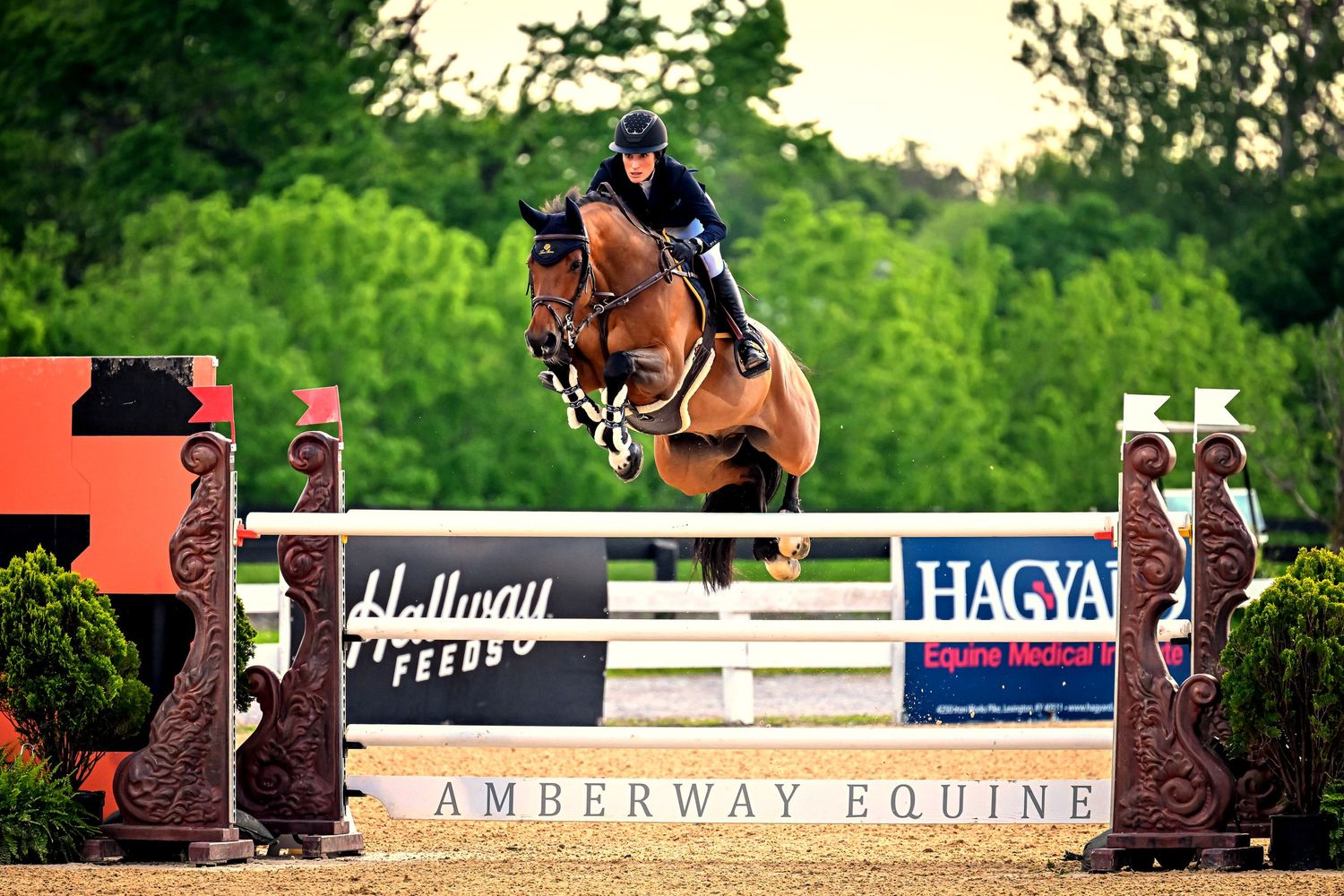
You’re dealing with fast motion, harsh or uneven light, dust, fences, and plenty of distractions. The goal isn’t just freezing motion — it’s capturing emotion and connection: the focus in your rider’s eyes, the arch of a horse’s neck mid-jump, the split second where effort meets elegance.
That’s what separates a snapshot from a story.
DSLR & Mirrorless Settings for Still Images
If you’re using a digital camera (like a Nikon, Canon, or Sony), here’s a great starting point for your next horse show:
- Mode: Shutter Priority (S or Tv) if you want to focus on speed, or Manual if you’re confident. Aperture priority also works well when shooting oudoors if you are familiar with using exposure compensation.
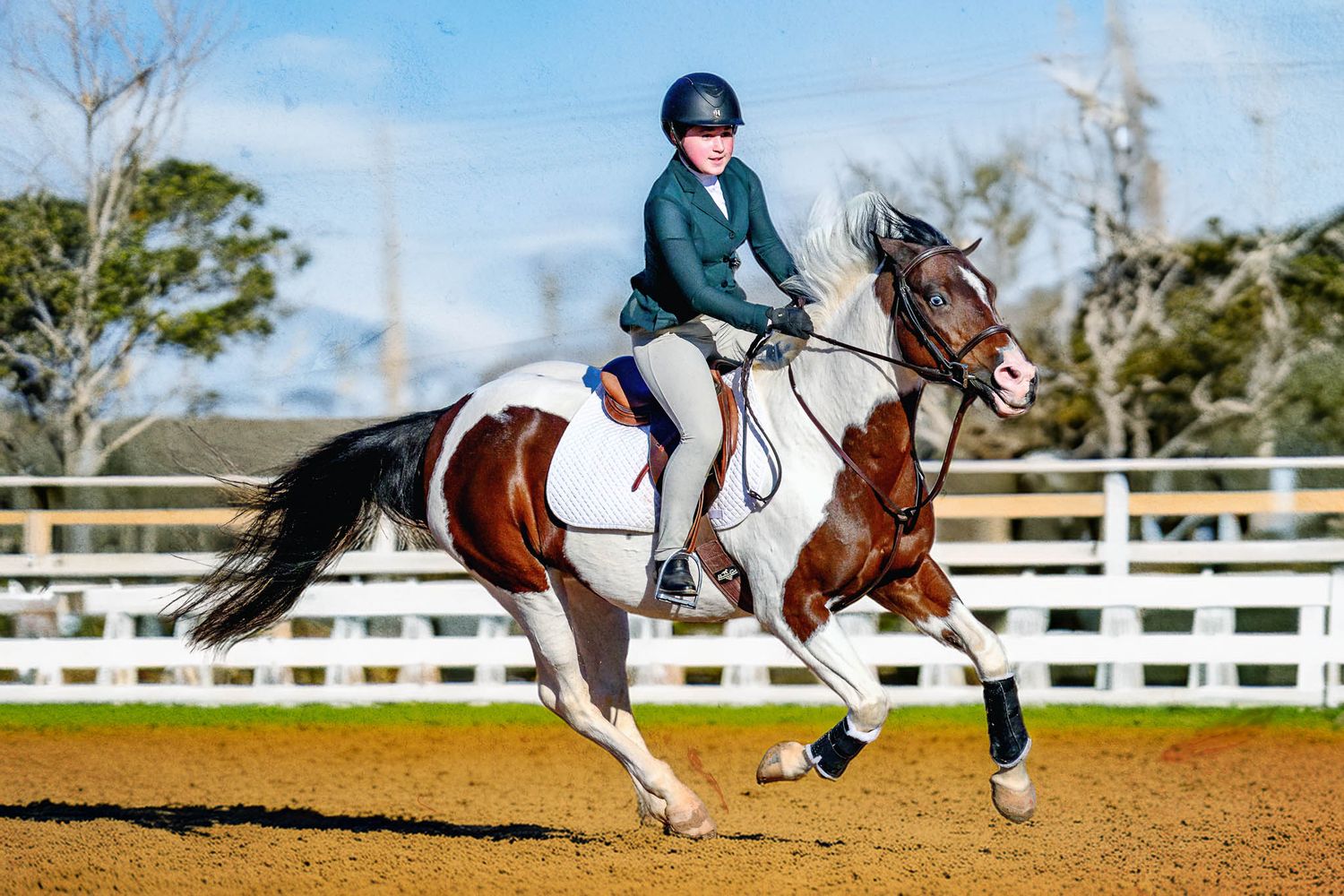
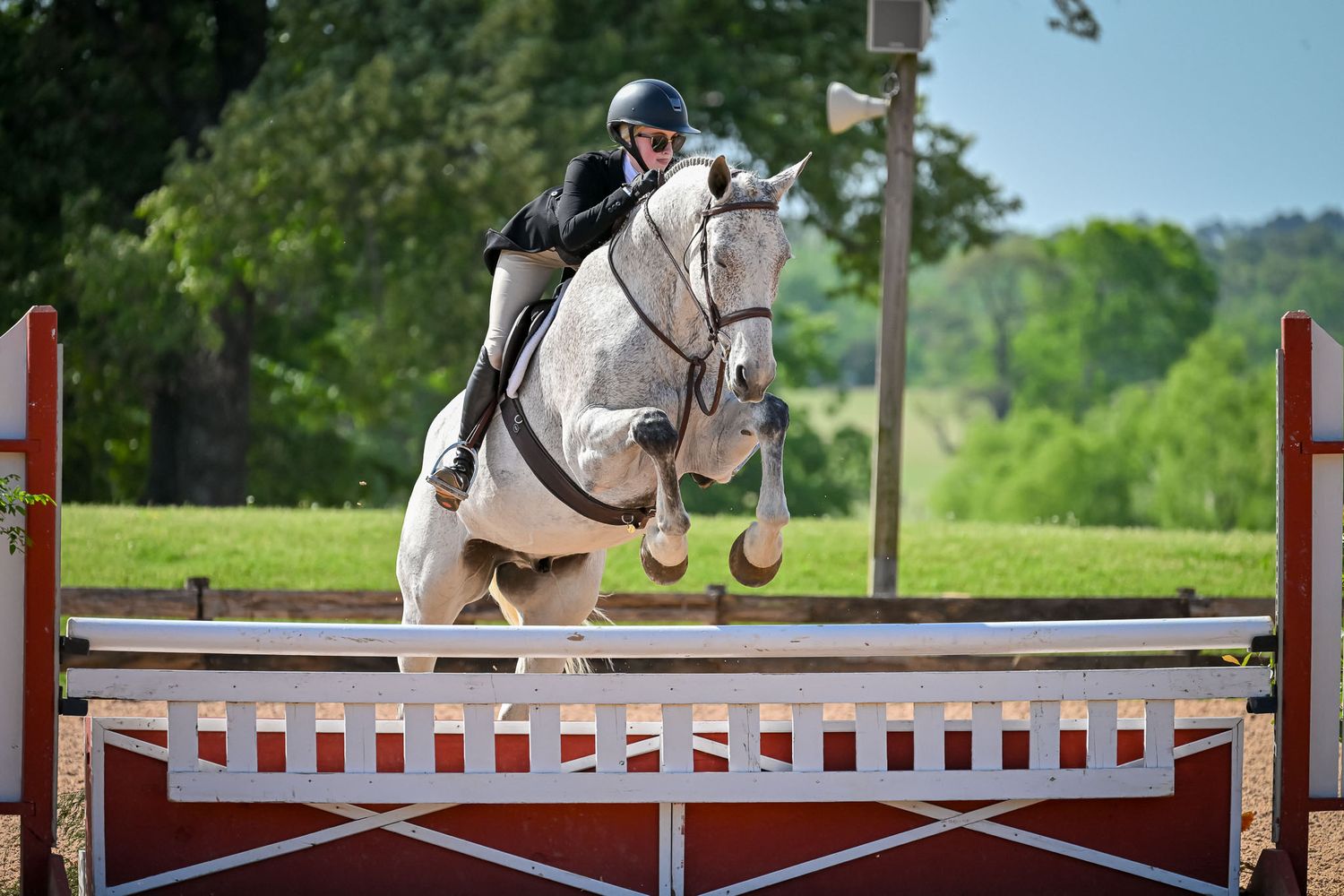
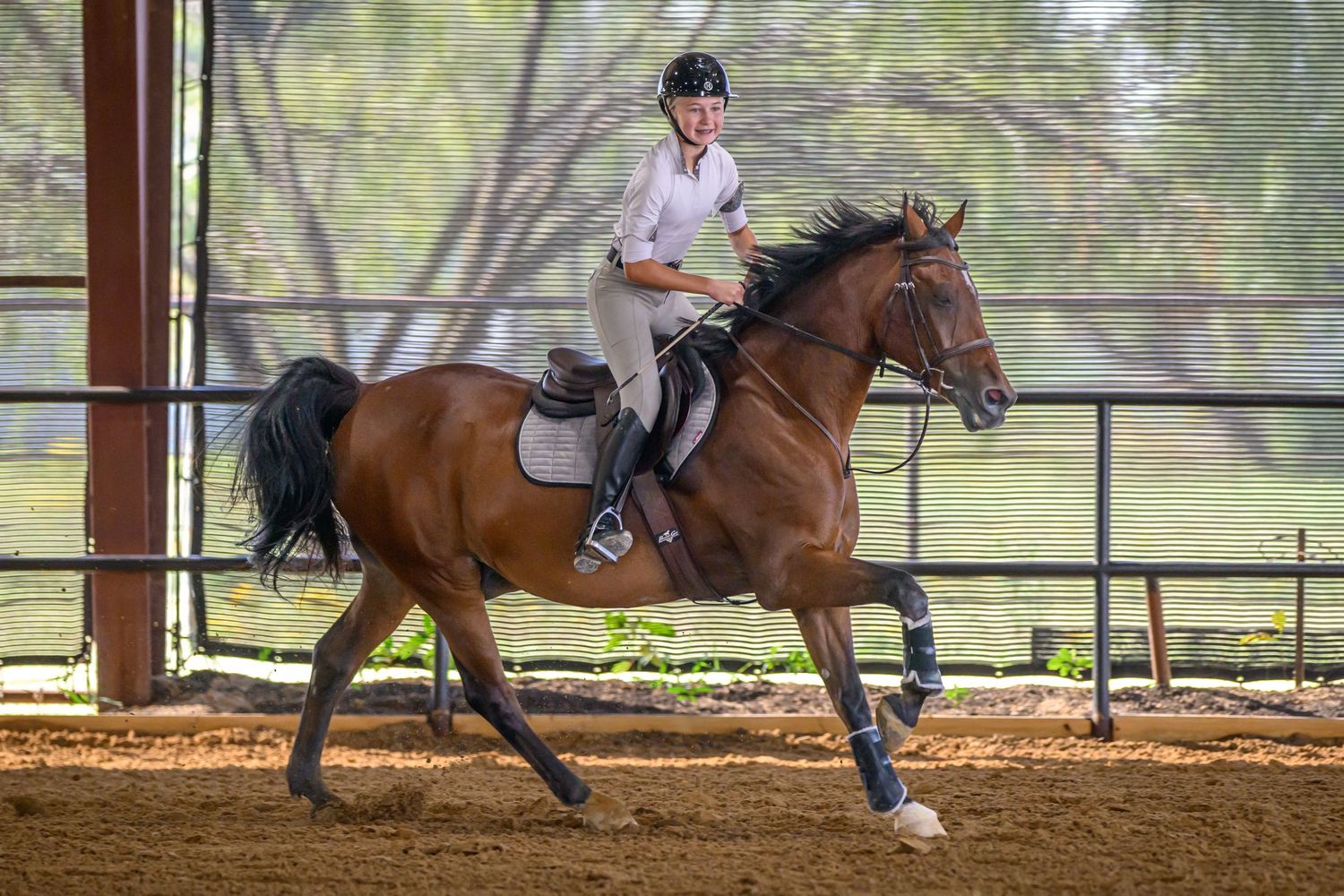
- Shutter Speed: 1/1000–1/2000 sec for jumping and canter; 1/800 for flat classes.
- Aperture: f/2.8–f/5.6 — wide enough to isolate your subject, but still sharp across the frame.
- ISO: Auto with a max around 8000 to handle varying light.
- Focus Mode: Continuous (AF-C).
- Focus Area: This is a point of debate. Some only use single point while others prefer ynamic or 3D Tracking if available. I use a mix of both depending on the jumps.
- Drive Mode: Another post of debate - I shoot in burst mode, but some prefer single shot. I like burst to give the rider multiple shots while going over a jumper to ensure you capture the peak. This can become an issue when shooting many horses/rounds and/of if shoot with a low capacity memory card.
- White Balance: Auto or natural light auto. Adjust later in editing for best results.
Pro Tip: If your camera allows, shoot in RAW — you’ll have far more control when fixing exposure or white balance later. RAW produces larger files, but RAW files give you much more flexibility in post processing.
Pro Tip 2: Allow plenty of time for your body and lens to adjust to the temperature and humidity variance. Moving from cooler indoor temps to warm humid temps outside your lens can take a while to adjust to the temperature resulting in your lens fogging until it warms/cools to match the temps of where you are shooting. A lens heater is also an option.
Smartphone Settings
Modern smartphones are surprisingly capable at horse shows — especially newer iPhone Pro and Samsung Galaxy models. The key is learning to take control of the camera instead of letting it guess.
Try these steps:
- Tap and hold to lock focus and exposure on your subject.
- Swipe up or down to fine-tune brightness.
- Use Burst Mode to capture multiple frames of a jump.
- For video, set 4K at 120fps (or 30fps in low light). 120fps allows you to slow down the footage to create silky smooth slow motion images.
- Use the 2x or 3x lens for a more flattering compression and less distortion.
- Keep the phone steady — rest on a fence rail or monopod if possible.
- Some smartphones or third party apps allow for adjusting the shutter speed. If possible keep shutter speed at 1/1000 to free the action.
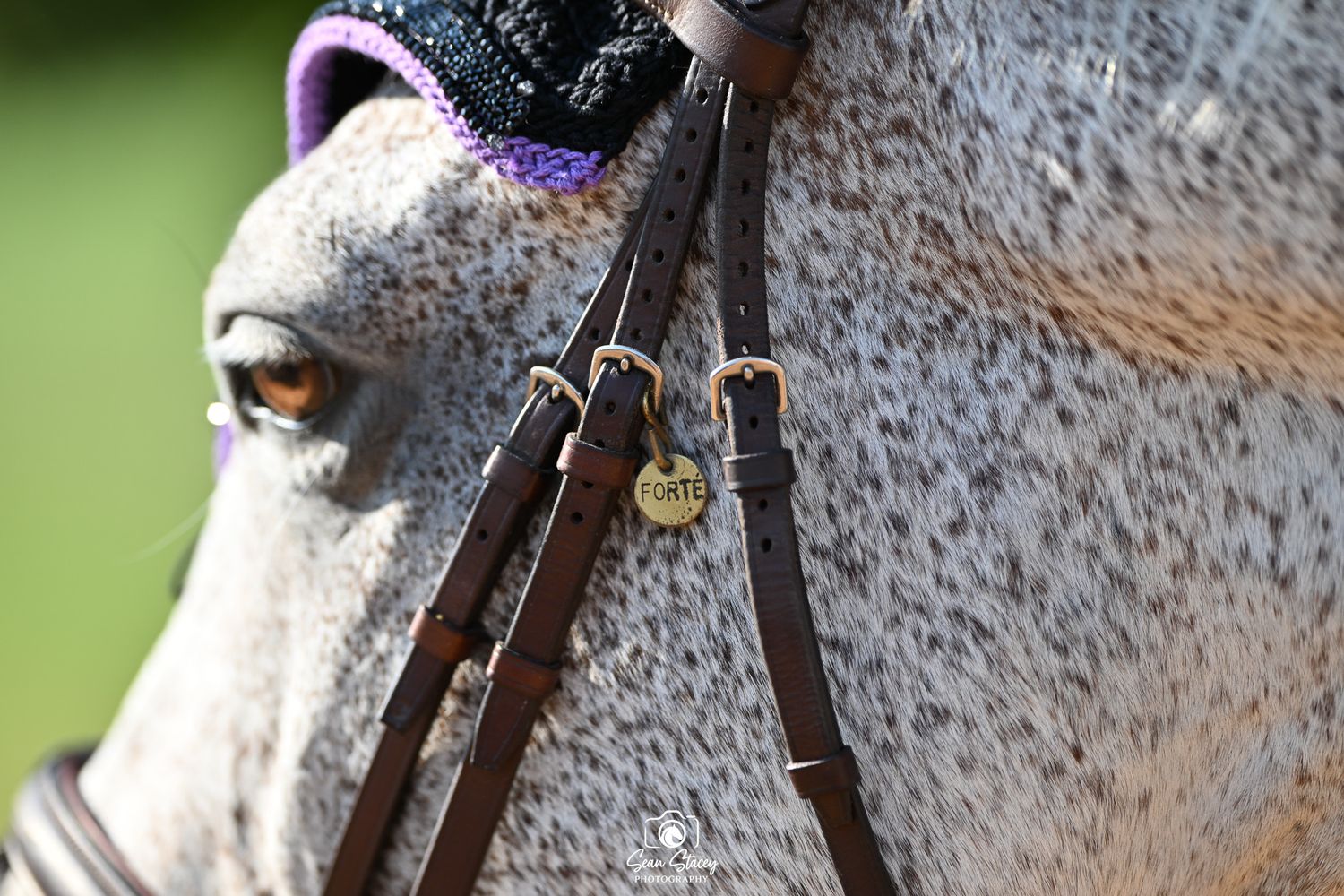
Bonus Tip: In bright outdoor settings, shoot in the shade when possible. The light is softer, colors are richer, and details on horse coats pop beautifully.
Composition & Timing
You don’t need to be a pro to think like one. Here are a few tricks I rely on every day:
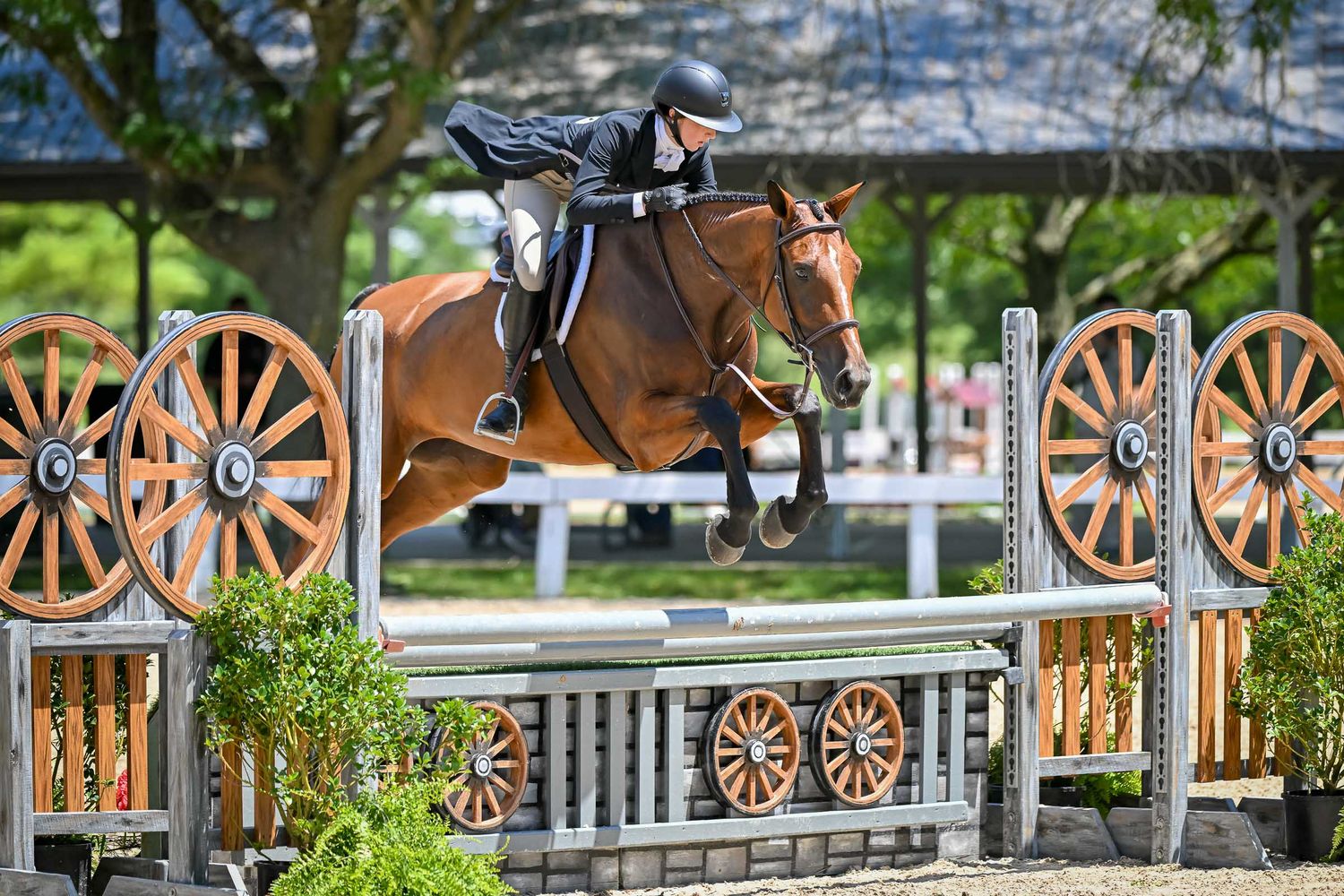
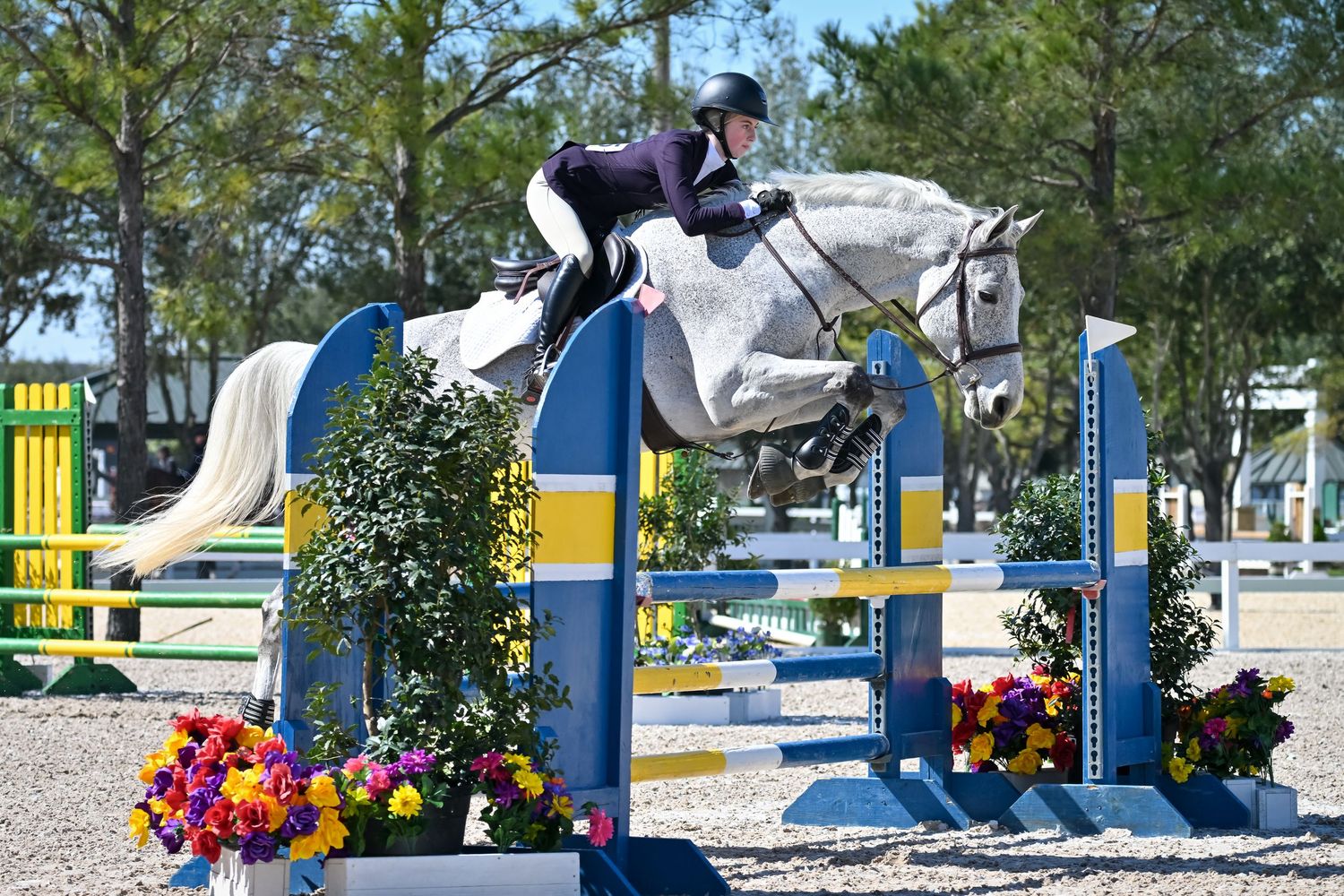
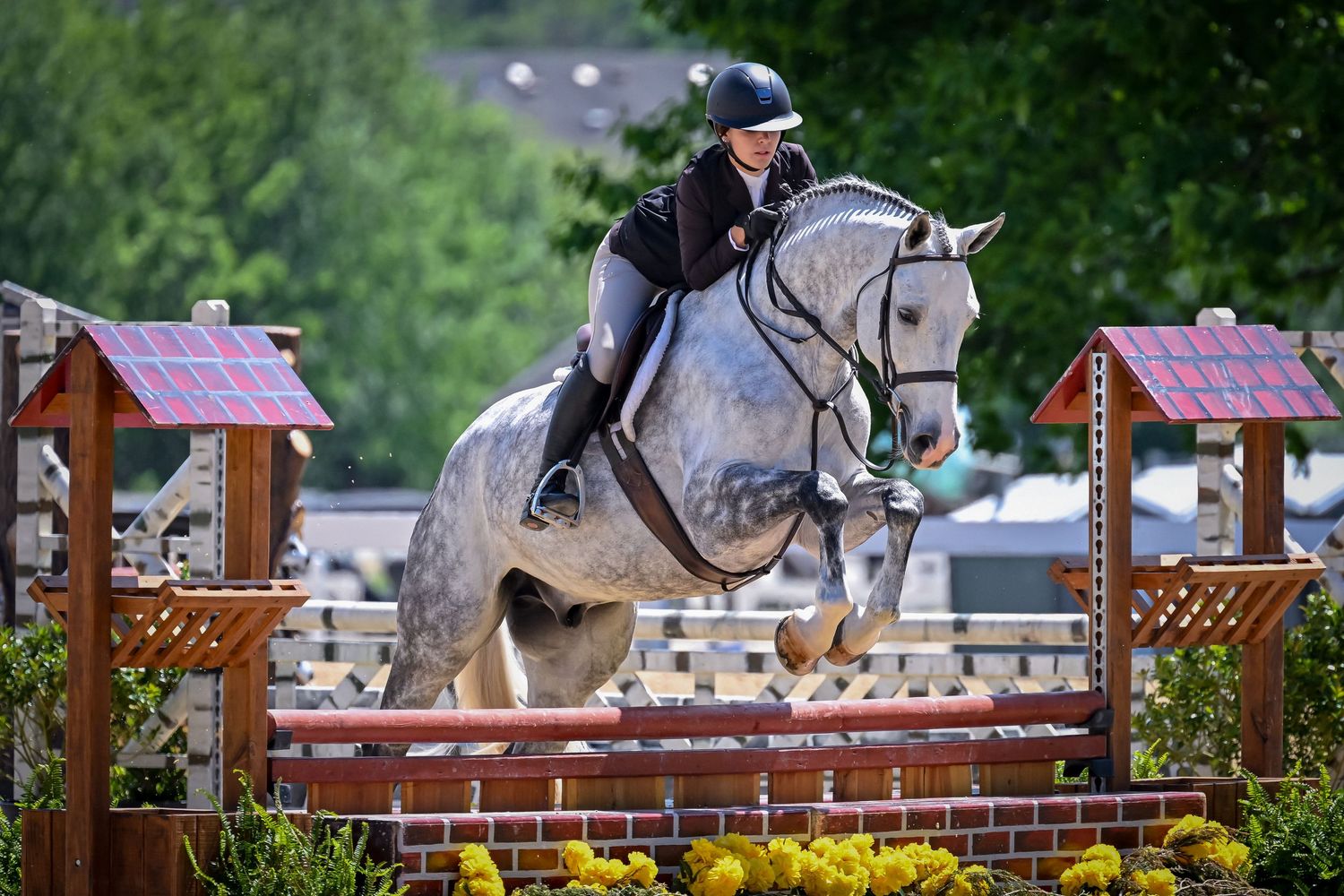
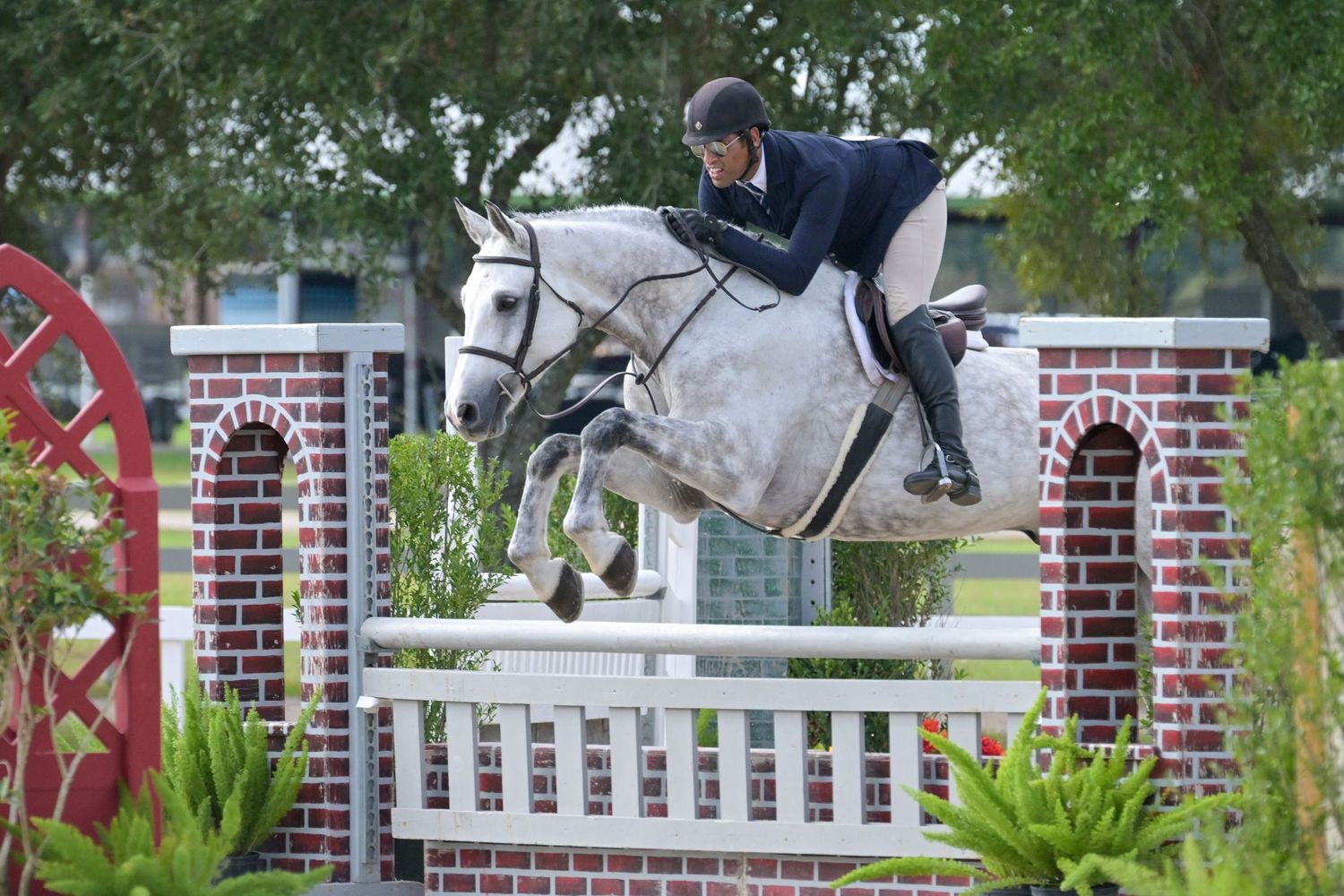
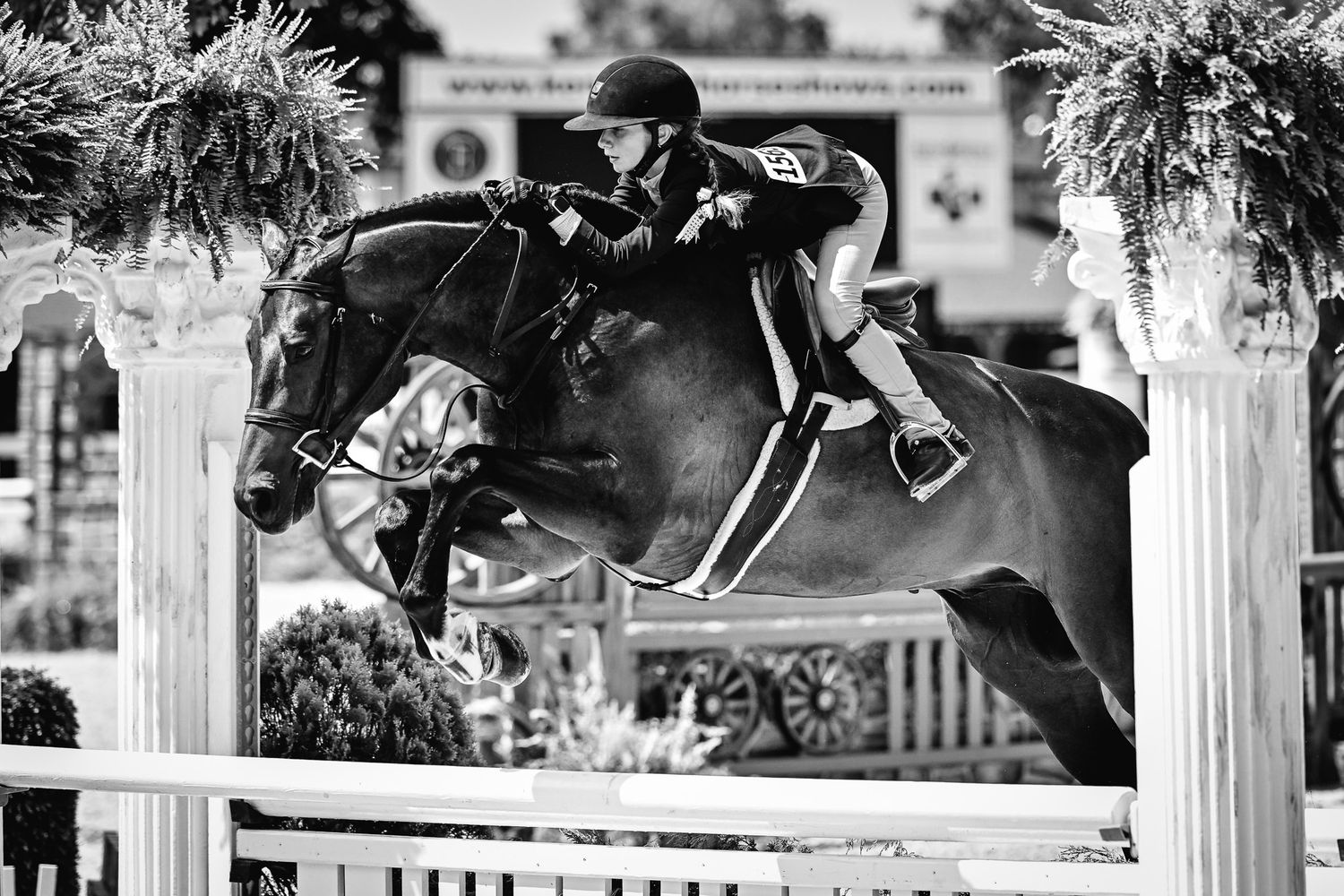
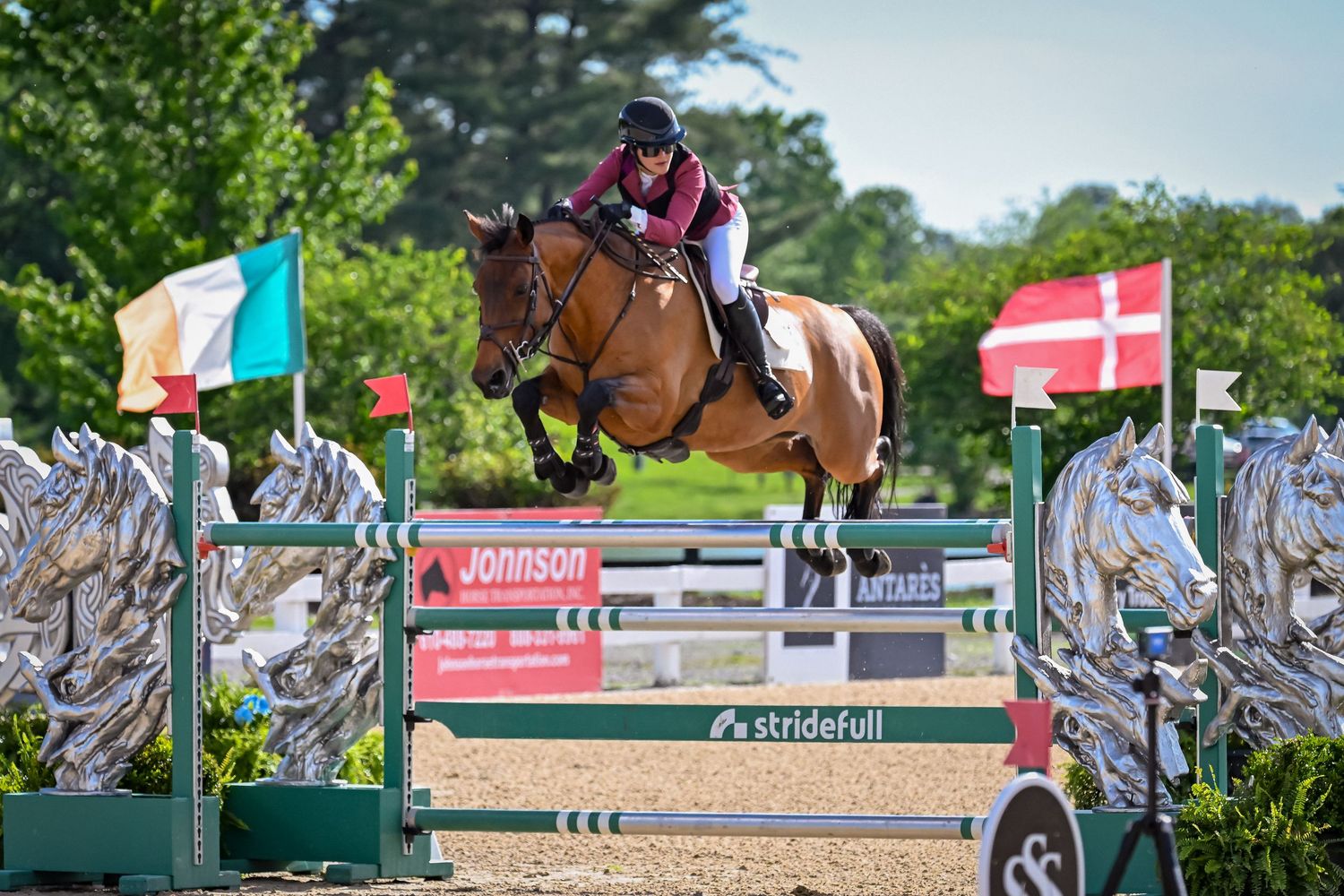
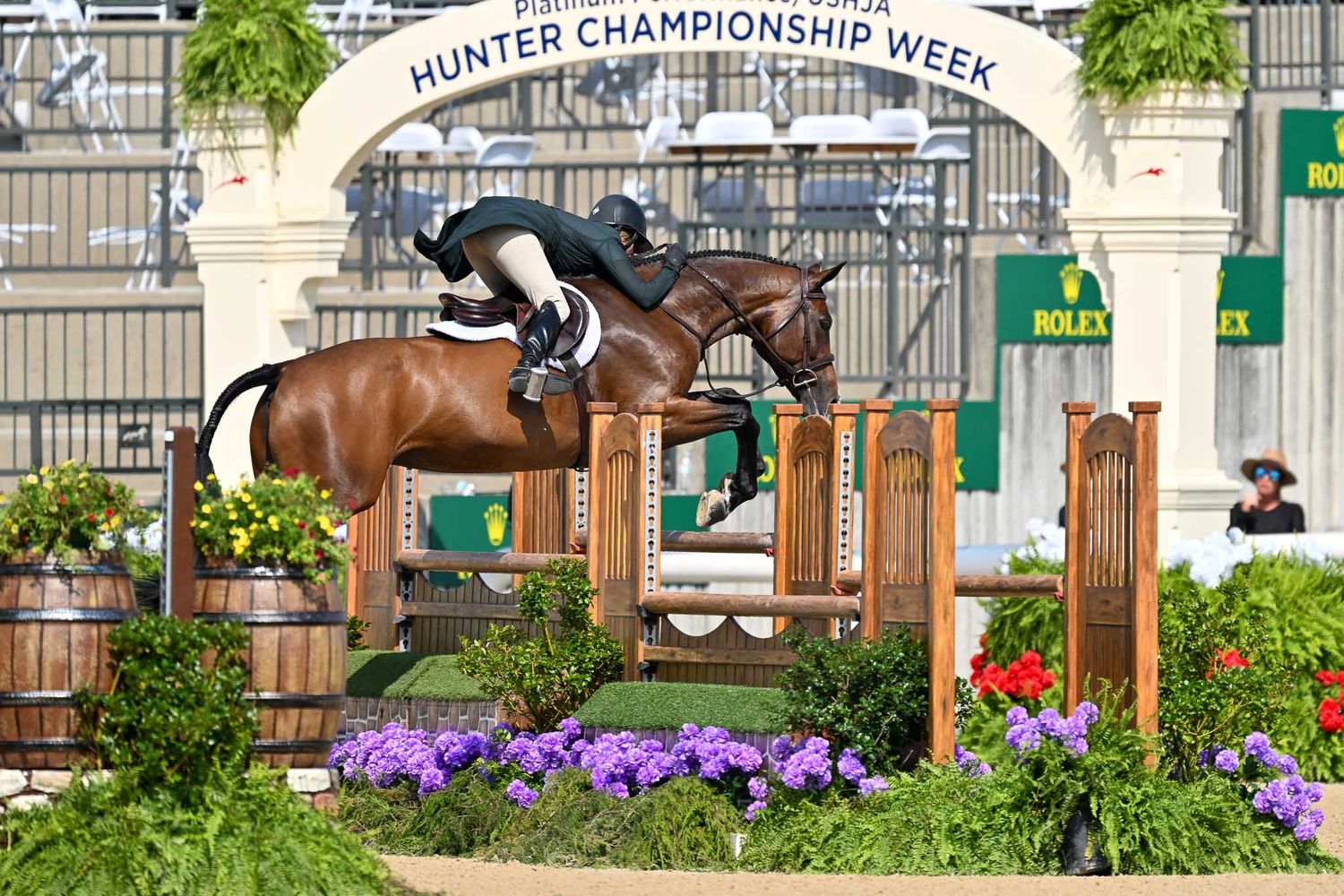
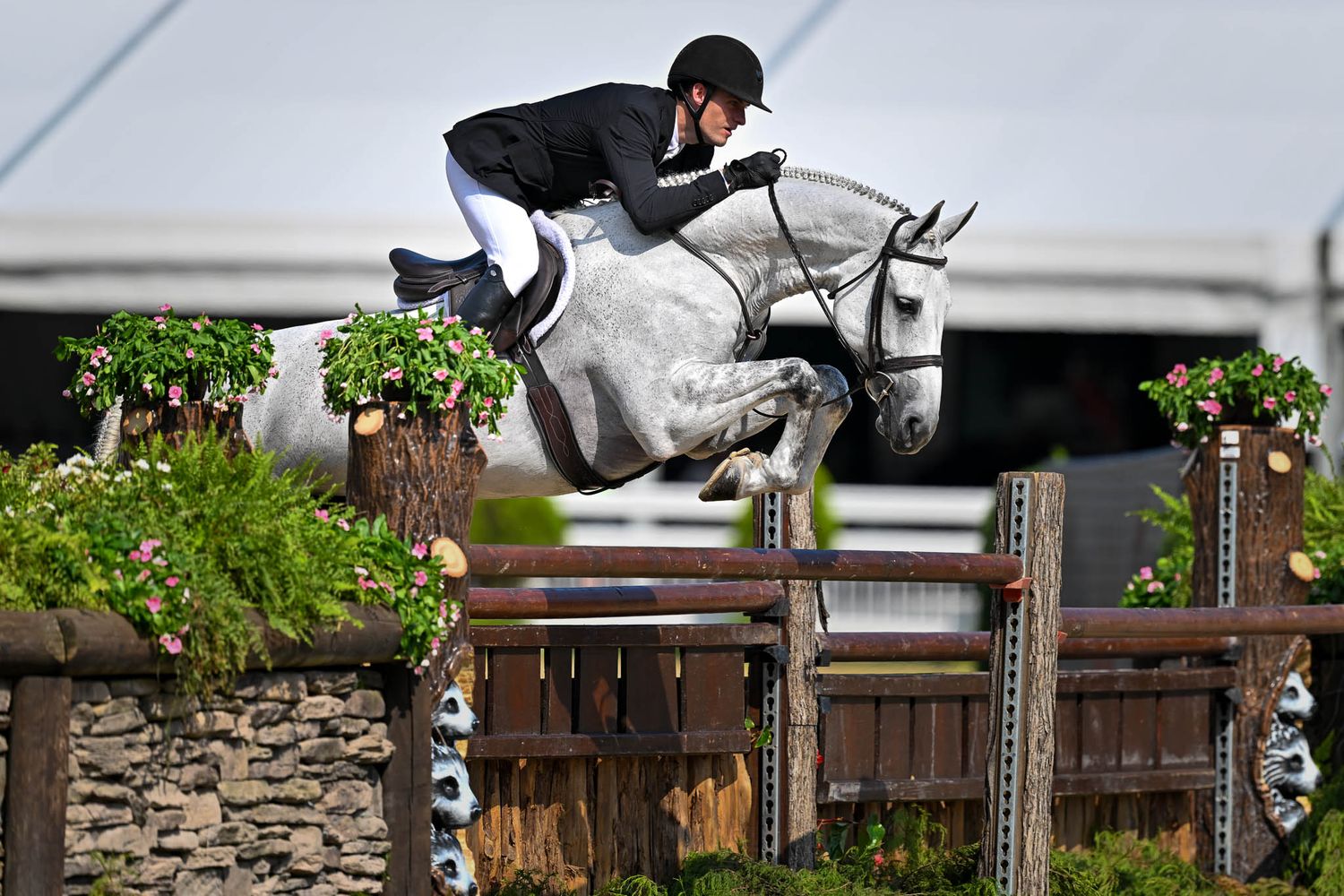
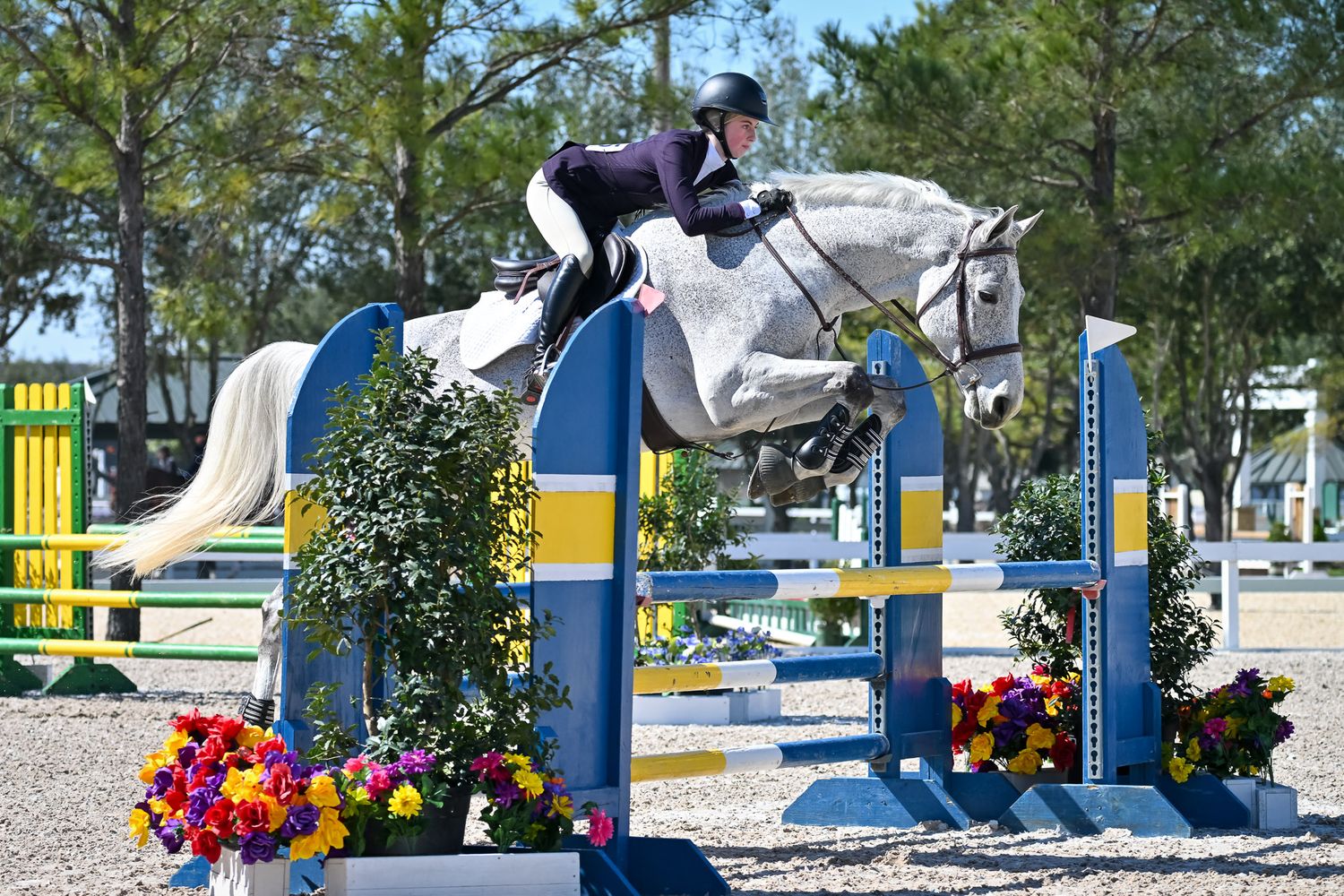
- Shoot during takeoff or landing for jumpers — it’s the most dynamic part of the stride. Hunters prefer shots capturing the peak over a jump.
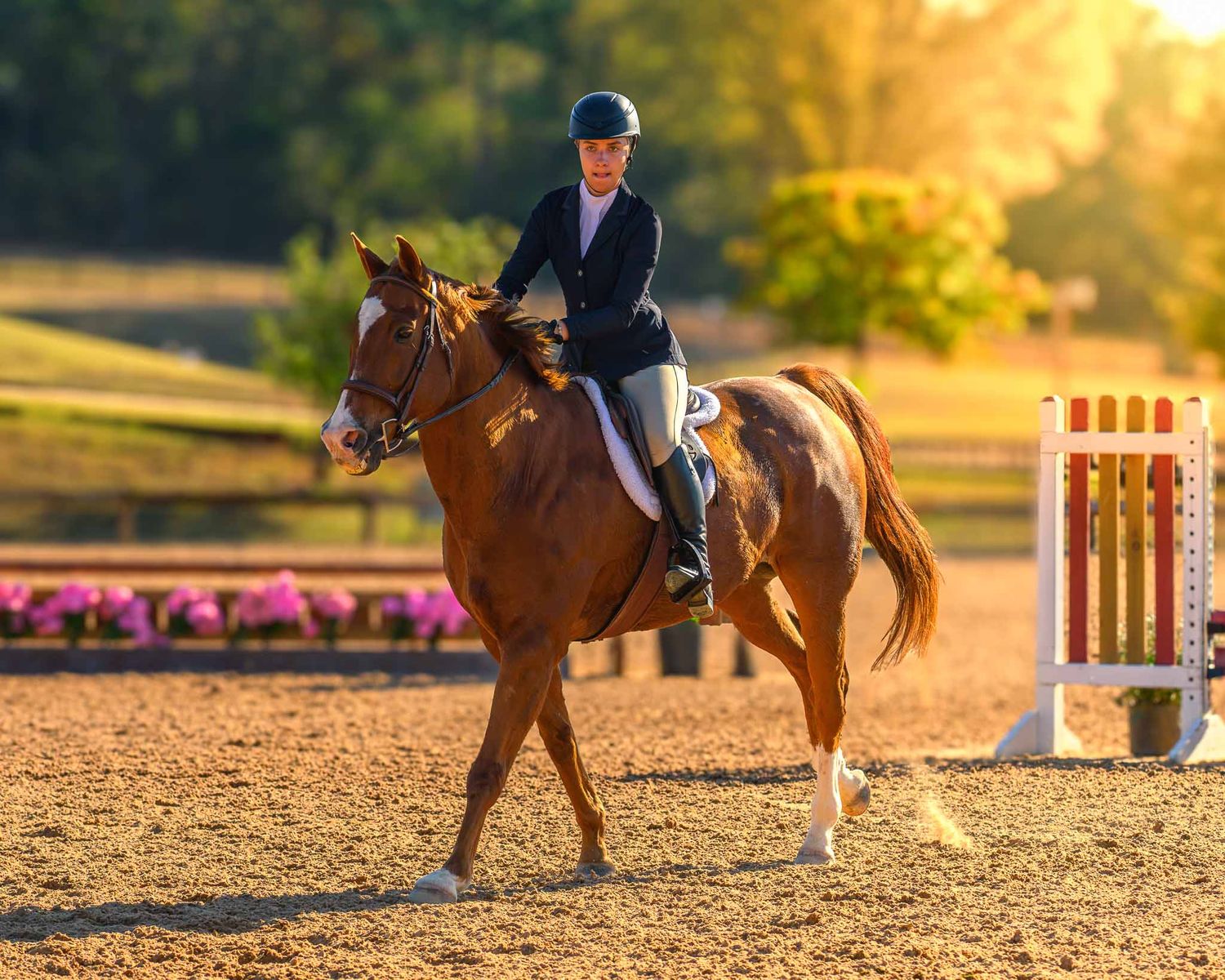
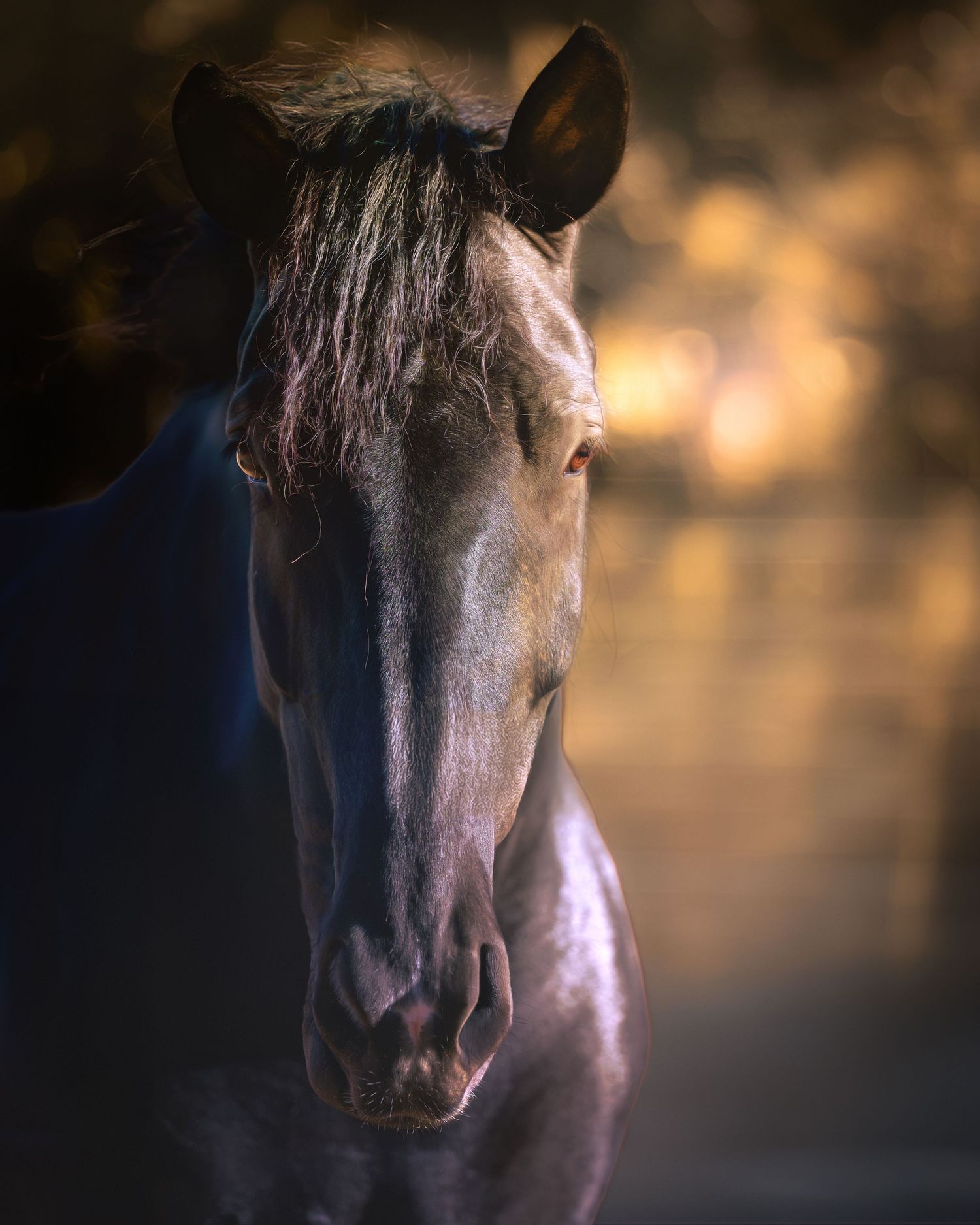
- Look for light direction — front lighting shows detail; backlighting gives drama and glow.
- Leave space in the direction of motion — don’t crop too tight.
- Shoot as many oxers as possible as they tend to be the riders preferred jumps for video and still images.
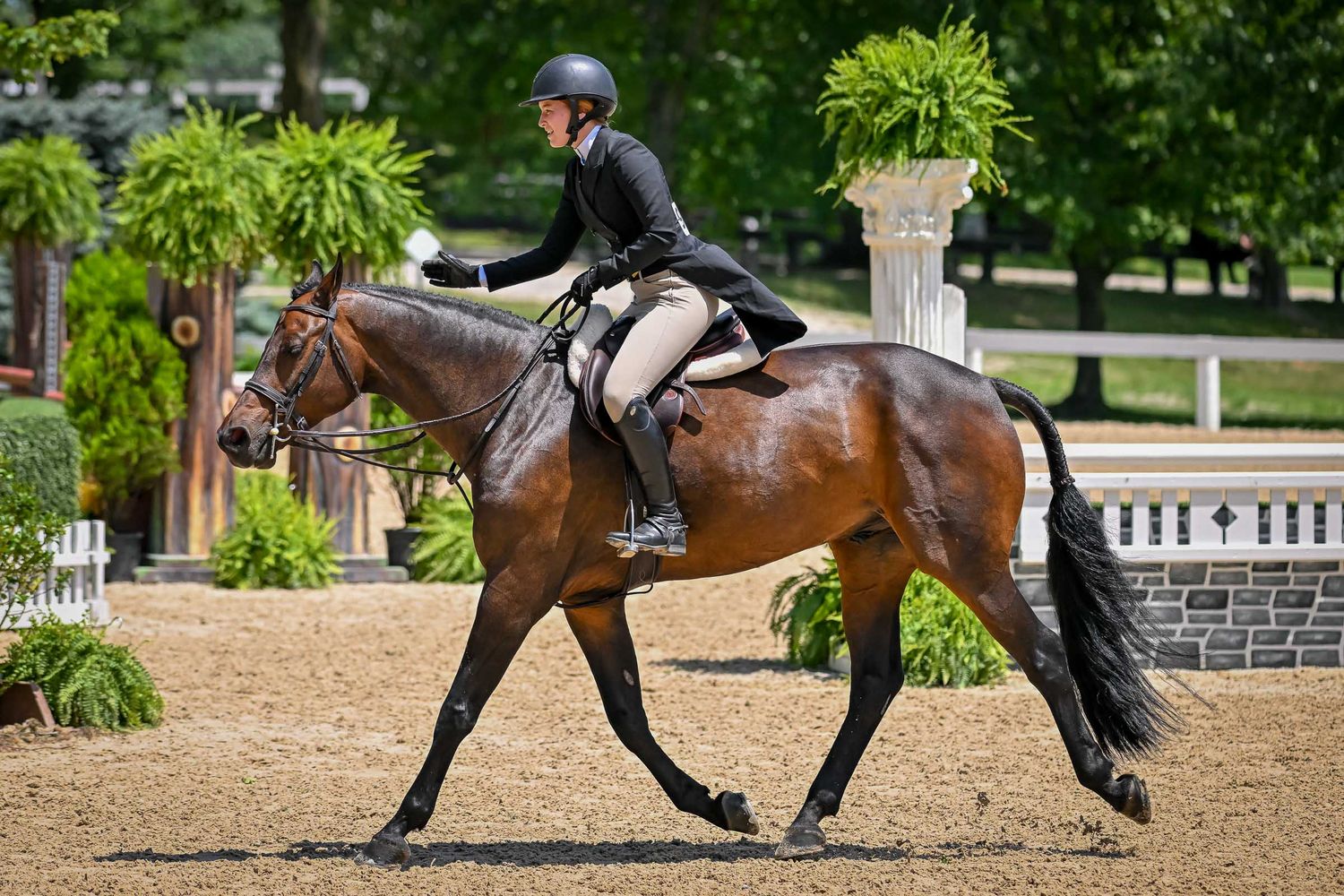
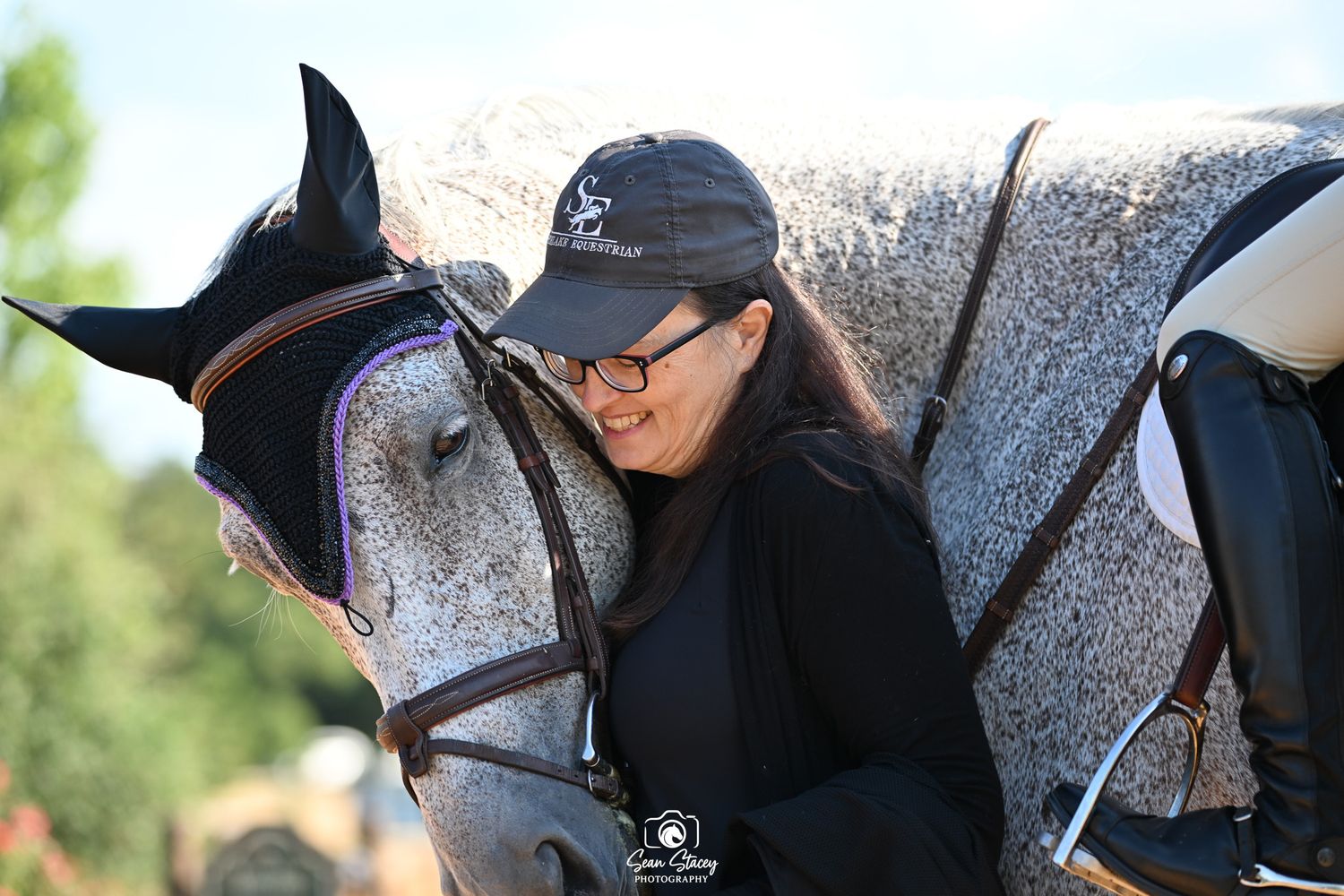
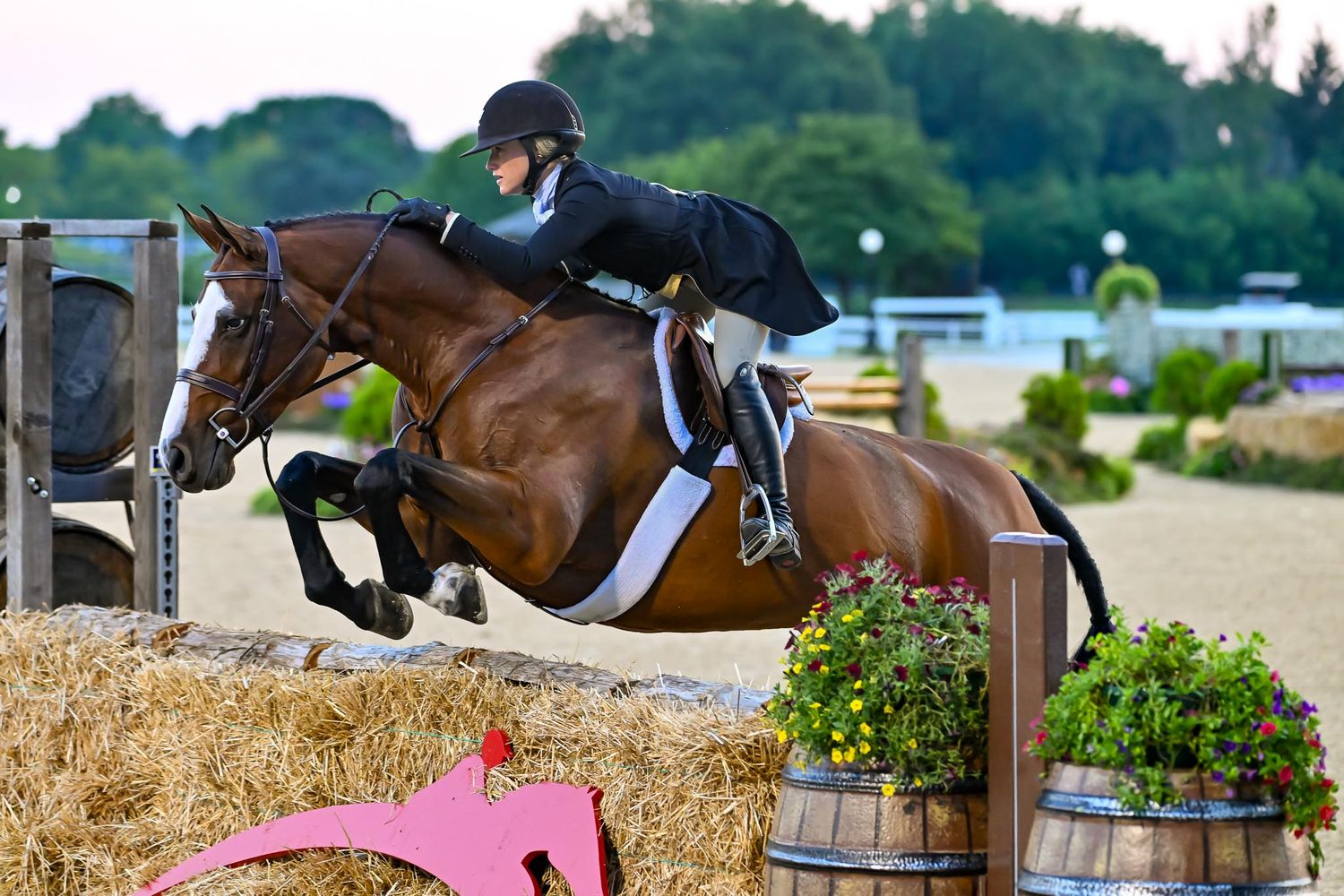
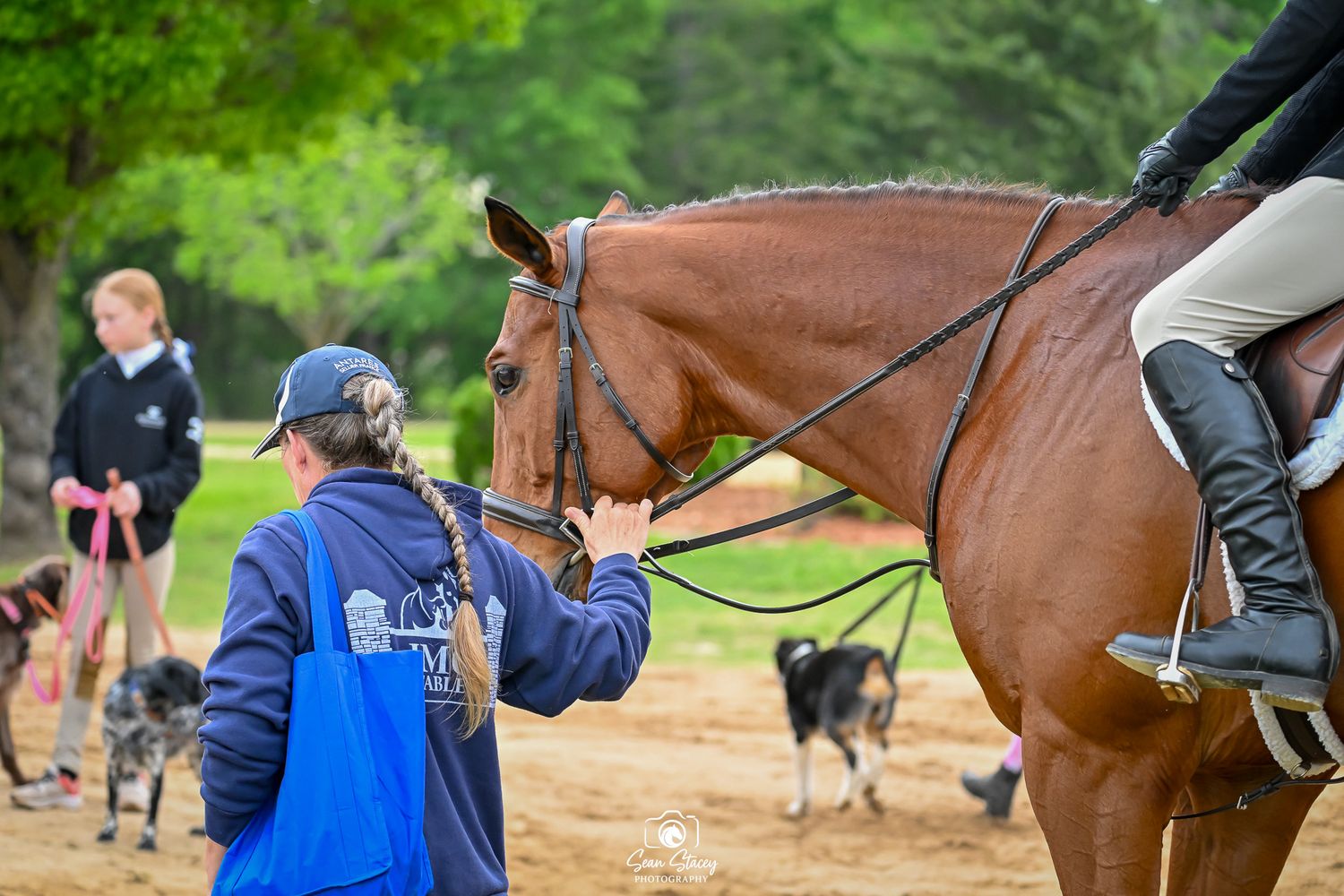
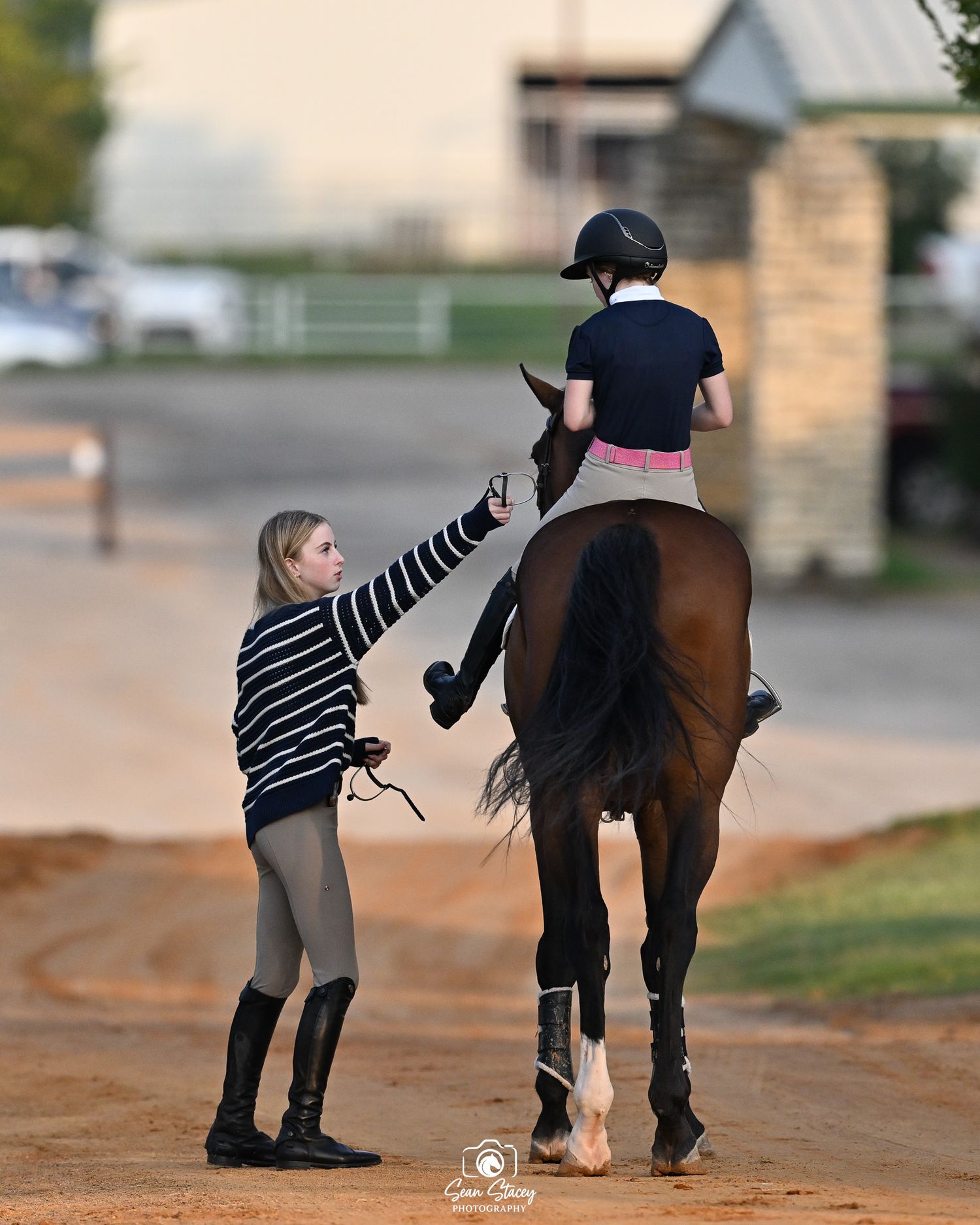
- Catch the connection — the quiet look between horse and rider in the lineup often says more than any ribbon photo.
- Arrive at the ring in advance of the rider you are shooting to learn the course and ensure you know what jumps will make the best photos or videos.
- Capture the horse on an "upward" trajectory when shooting a canter and capture a trot where the legs make two triangles.
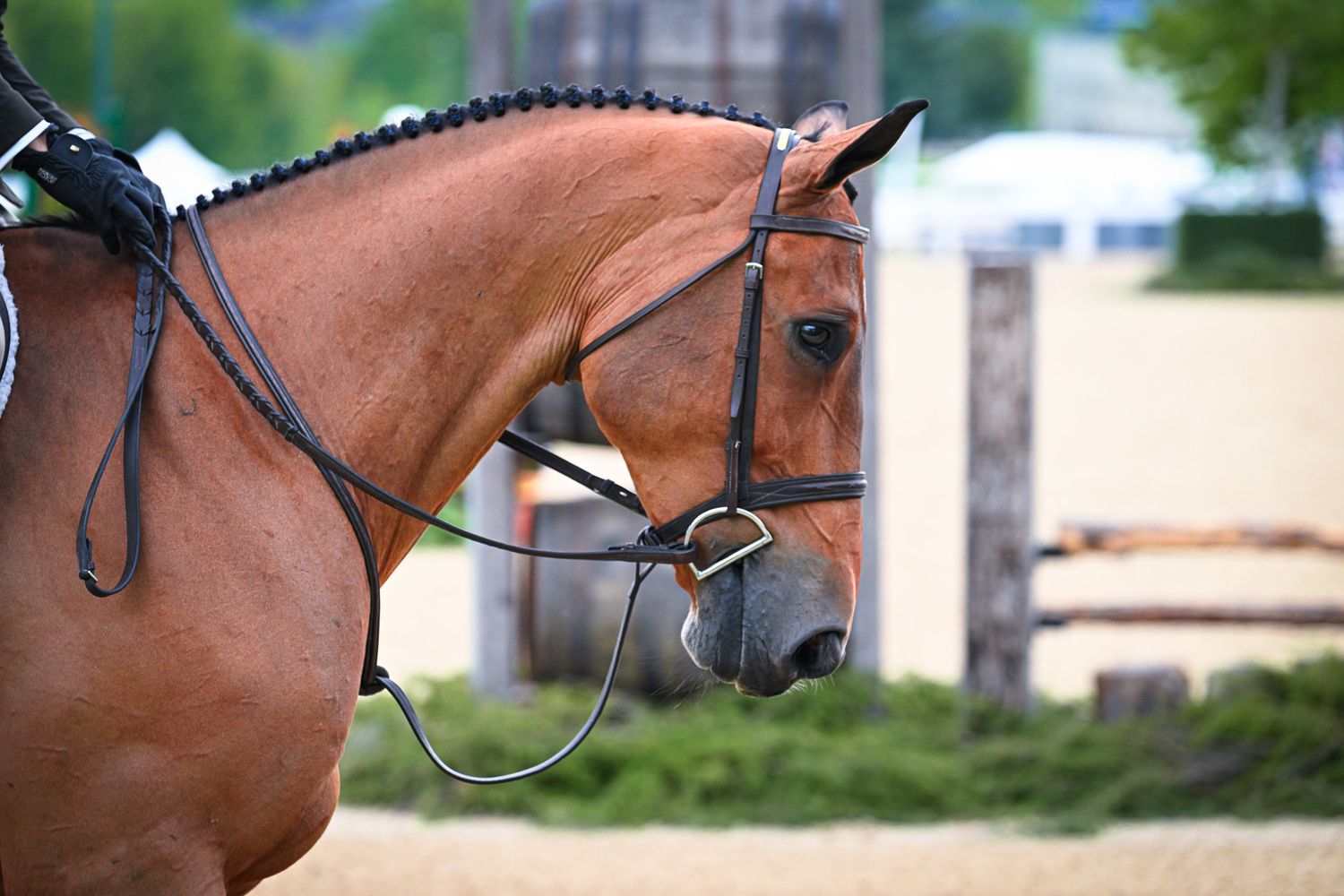
- Vary your zoom. I try to get a mix of "close up" angles showing the expression of horse and rider and wider shots showing the height and distance of the jump.
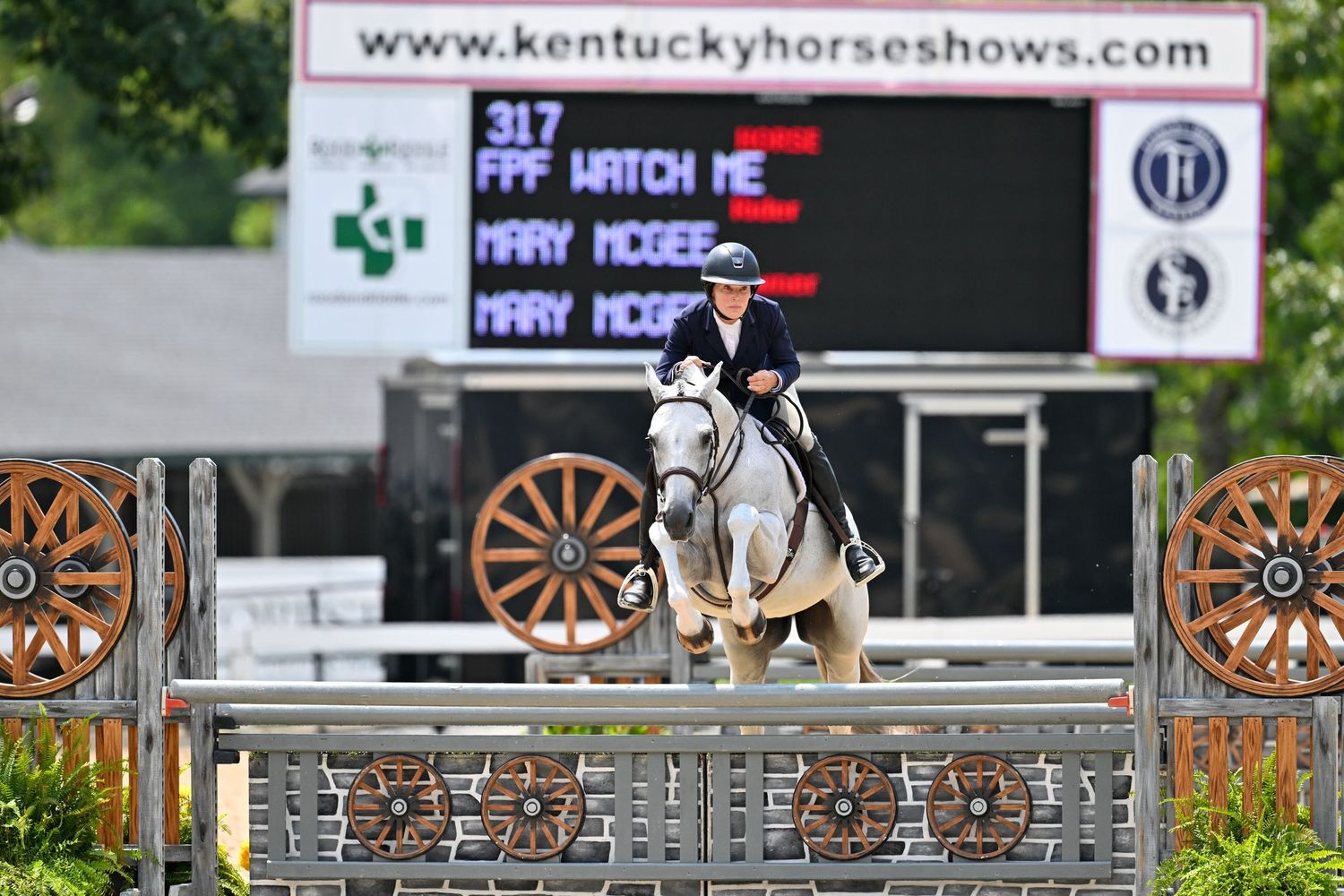
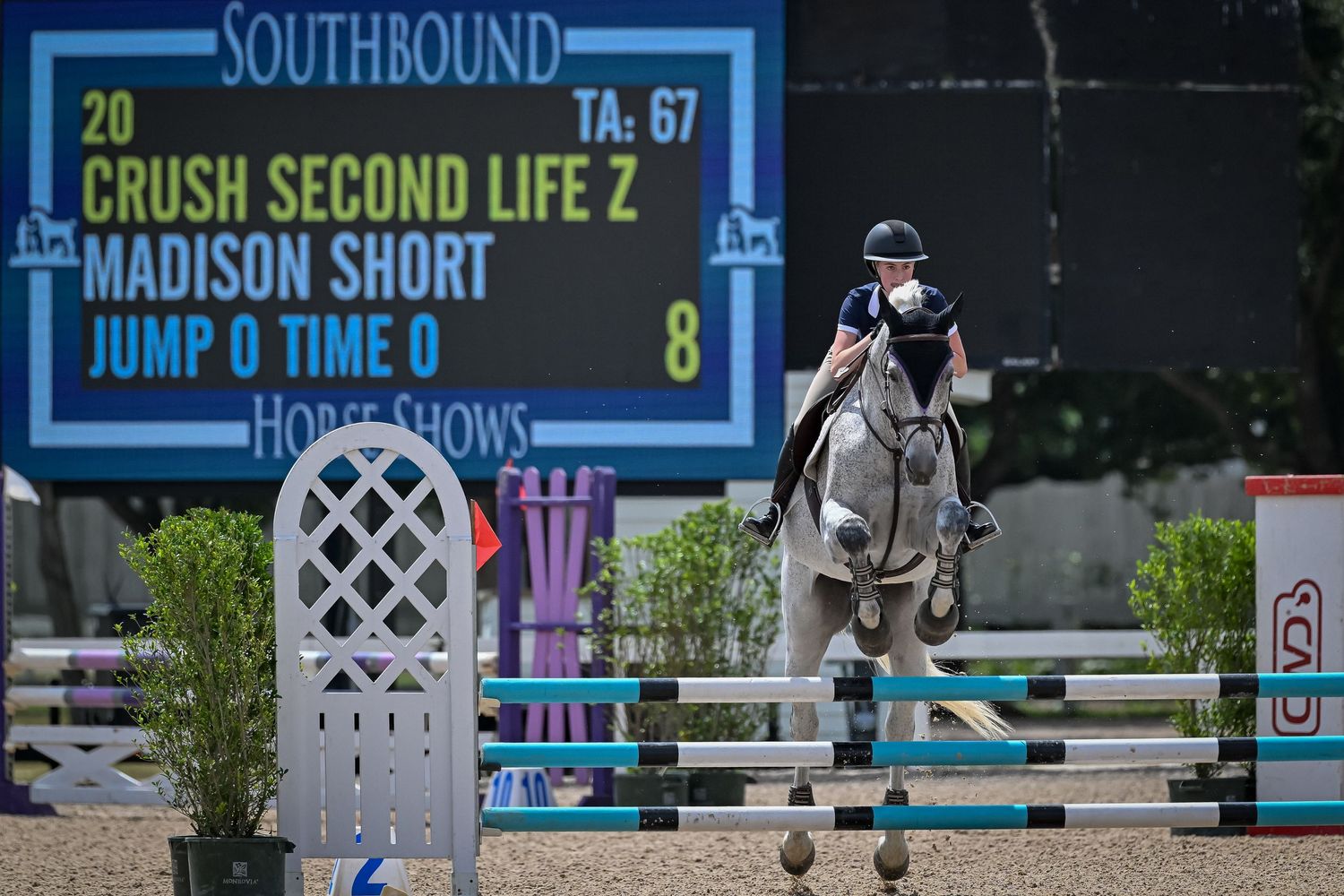
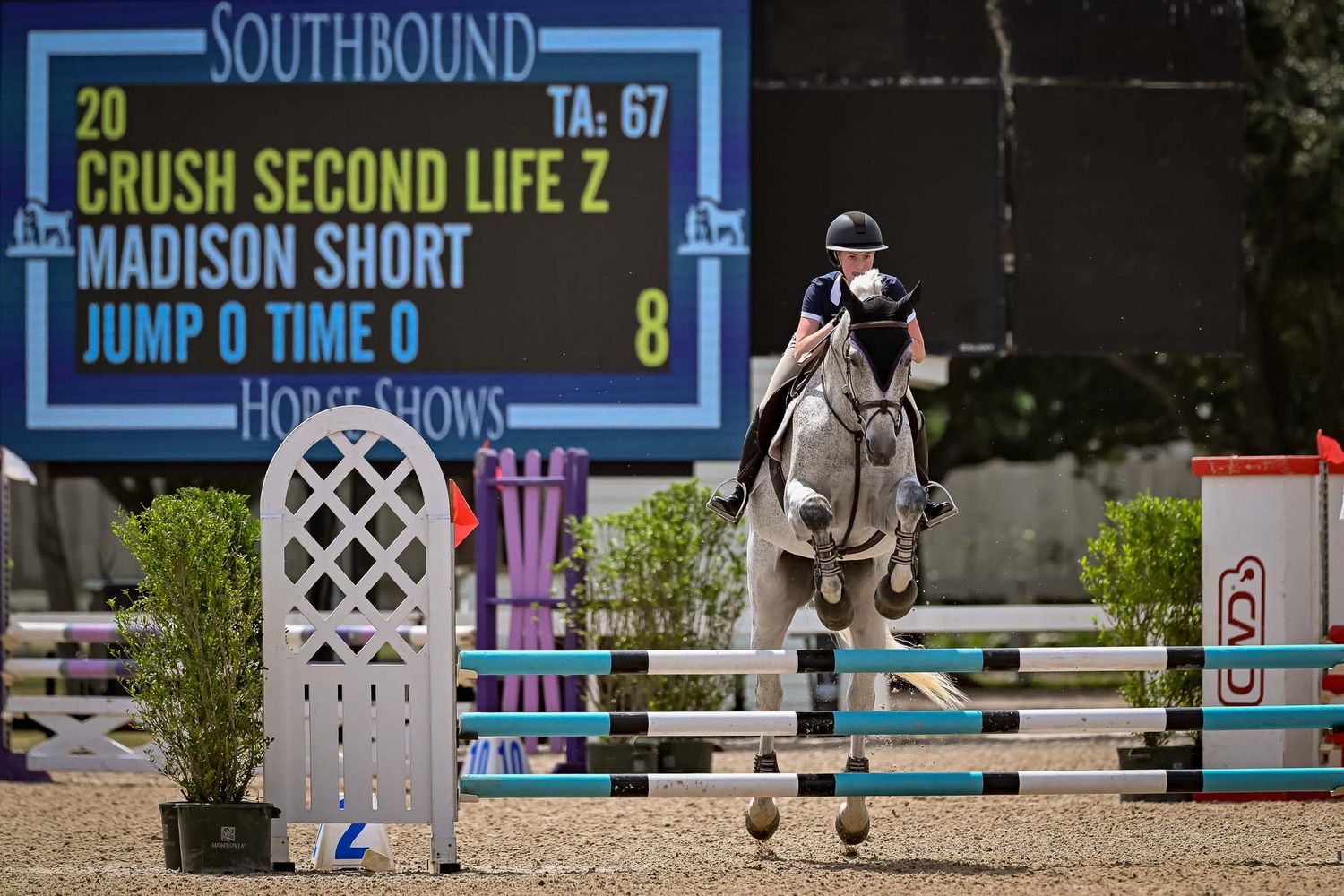
Pro Tip: Check the background of where you are shooting. Horse shows often have distractions surrounding the arena such as port-o-potty's, power lines, golf carts, etc. Try to find jumps that present a clean background so the subject stands out and pops. Riders love it when you capture the scoreboard in the background of them clearing a jump.
When to Hire Pro
Even with all the right settings, photographing a horse show takes timing, experience, and sometimes… a little luck. But there’s another truth: being behind the camera means you’re missing the moment.
When you hire a professional photographer, you (and your family or friends) get to sit back, cheer, and truly be present. You don’t have to juggle your phone, track the order of go, or hope you hit the shutter at the right second. You just enjoy the ride — and know every moment is being captured with precision and artistry. Most shows hire "Official Photographers" that capture every round or you could hire someone like me to follow you or your rider around paparazzi style capturing every moment of the show.
That’s what I love most about private show photography. It’s not just about photos; it’s about letting riders, parents, and trainers live fully in the experience while I handle the storytelling.
Final Thoughts...
Whether you’re shooting with a DSLR or an iPhone, the best horse show photos combine preparation, patience, and passion. Start with these settings, practice at home, and focus on timing and light. You’ll be amazed at how quickly your images improve. And give yourself grace when shots don't come out perfectly - shooting equestrian events takes lots of patience and timing to become good, but with practice you can shoot like the pros.
And when you’re ready to trade “hoping for a good shot” for guaranteed, professional-level storytelling, I’ll be there.
I’ll be at The Final Chase at Great Southwest Equestrian Center in Katy, TX from Nov 12 - 23rd with limited private photography spots available.
Each package includes stills and cinematic reels.
Message me or reply KATY to secure your spot at a special rate.
Home
Portfolio
Contact